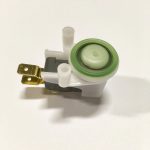
A hospital macerator differential switch improves safety, efficiency, and hygiene in healthcare waste systems. Presair manufactures differential switches designed for pressure-sensitive control in macerators. Contact us to configure the right switch for your application. For additional details on differential switches, visit the product page.

How Hospital Macerators Work in Medical Waste Disposal
Hospital macerators are installed in sluice or dirty utility rooms. These machines process single-use pulp containers, human waste, toilet tissue, and maceratable wipes. The macerator uses water to soak the contents, then reduces them into a fine slurry using internal cutter blades. After shredding, it flushes the waste into the plumbing system and rinses the chamber to maintain sanitary conditions.
The Role of a Hospital Macerator Differential Switch
A hospital macerator differential switch monitors pressure differences between critical points in the macerator. These sensors ensure the system operates within safe pressure limits and alert users to potential issues. Below are key functions:
Detecting Blockages or Clogs
Macerators must break down solid waste before it enters the plumbing line. A differential switch measures the pressure drop across the shredding chamber. If pressure exceeds the preset threshold, the switch signals a blockage, initiates an alert, or shuts the system down to prevent overflow or equipment damage.
Ensuring Consistent System Performance
Maintaining a stable pressure difference ensures the motor, blades, and plumbing perform correctly. A sudden drop in pressure can indicate blade wear, motor failure, or seal leaks. The hospital macerator differential switch detects pressure deviations and initiates corrective actions.
Monitoring Safety Parameters
Pressure build-up due to waste accumulation or gas expansion poses safety risks. The differential switch tracks pressure shifts in real time. If the pressure difference surpasses safe limits, the switch activates safety shutdowns or alerts maintenance personnel.
Preventing Backflow into Medical Rooms
A loss in pressure balance can allow waste to reverse flow. The hospital macerator differential switch identifies these conditions and stops operation before contamination occurs.
Automating Maintenance Scheduling
Over time, internal buildup affects macerator efficiency. When the pressure difference indicates system strain, the switch can signal the need for cleaning or component servicing. This helps reduce downtime and extend equipment life.

Presair D1000 Series Differential Switches
Presair designs differential switches for low-pressure applications, including hospital macerators. The D1000 Series differential switch offers precise monitoring across a range of 0.25 to 35 inches of water column. Its compact design fits into medical equipment where tight space and strict sanitary controls apply.
Features of the D1000 Series:
-
Adjustable Set Points: Air bleeds on either side of the diaphragm allow precise configuration for application-specific pressure ranges.
-
Low-Pressure Sensitivity: Accurately detects minimal pressure differences, essential in medical waste systems.
-
Compact and Durable Design: Engineered for environments that demand high performance and hygiene compliance.
Supporting Healthcare Hygiene with Accurate Pressure Control
Hospital macerators rely on pressure control to dispose of waste cleanly and safely. Presair’s hospital macerator differential switches support hygiene compliance by preventing waste buildup, detecting early failures, and automating maintenance triggers. Our components meet the requirements of hospitals, clinics, and other medical environments.
Visit the D1000 Series product page to configure your pressure switch or contact Presair for technical assistance.