Wastewater pressure monitoring gives operators a clear indication when pressure rises too high or falls too low within treatment and conveyance equipment. Pump stations, force mains & treatment pipelines depend on controlled pressure conditions to maintain flow. When pressure reaches a configured threshold, a Presair Pressure Monitor uses a pressure switch and flashing stack light, with an optional audible alarm, to notify personnel of the condition.
Looking for a simple external pressure alarm? View Presair pressure monitoring solutions for wastewater equipment, pipelines & pump systems.
Why Monitor Pressure in Wastewater Systems?
Wastewater moves through several stages of collection, treatment & discharge. Pumps and pipelines transport flow throughout the process, making changes in pressure an important indication of system conditions.
For example, a loss of pressure may indicate a problem that requires attention. Rising pressure can also signal a condition operators need to investigate.
Rather than relying on personnel to notice these changes during routine inspections, a pressure monitor provides a visual notification when the configured pressure threshold is reached. An optional audible alarm can provide an additional alert.
This gives qualified personnel an indication that pressure is rising too high or falling too low so they can inspect the equipment and determine the cause.
How Wastewater Pressure Monitoring Works
The pressure switch acts as the sensing component within the monitoring system. It responds when pressure reaches its configured setpoint and changes the state of its electrical contacts.
Presair offers both factory-preset and field-adjustable pressure monitoring options. With an adjustable model, the user can configure the switching point based on the pressure requirements of the application.
When pressure reaches the selected threshold, the switch activates the monitor’s flashing stack light. An optional audible alarm can also provide notification.

Wastewater pressure monitoring can provide a visual alert when pressure at a pump station or pipeline reaches the configured threshold.
In a wastewater system, the monitoring point can be located along pressurized piping where a change in pressure may indicate a condition that requires attention. The stack light gives personnel a clear external notification when the configured threshold is reached.
Presair Pressure Monitors for High & Low Pressure Alerts
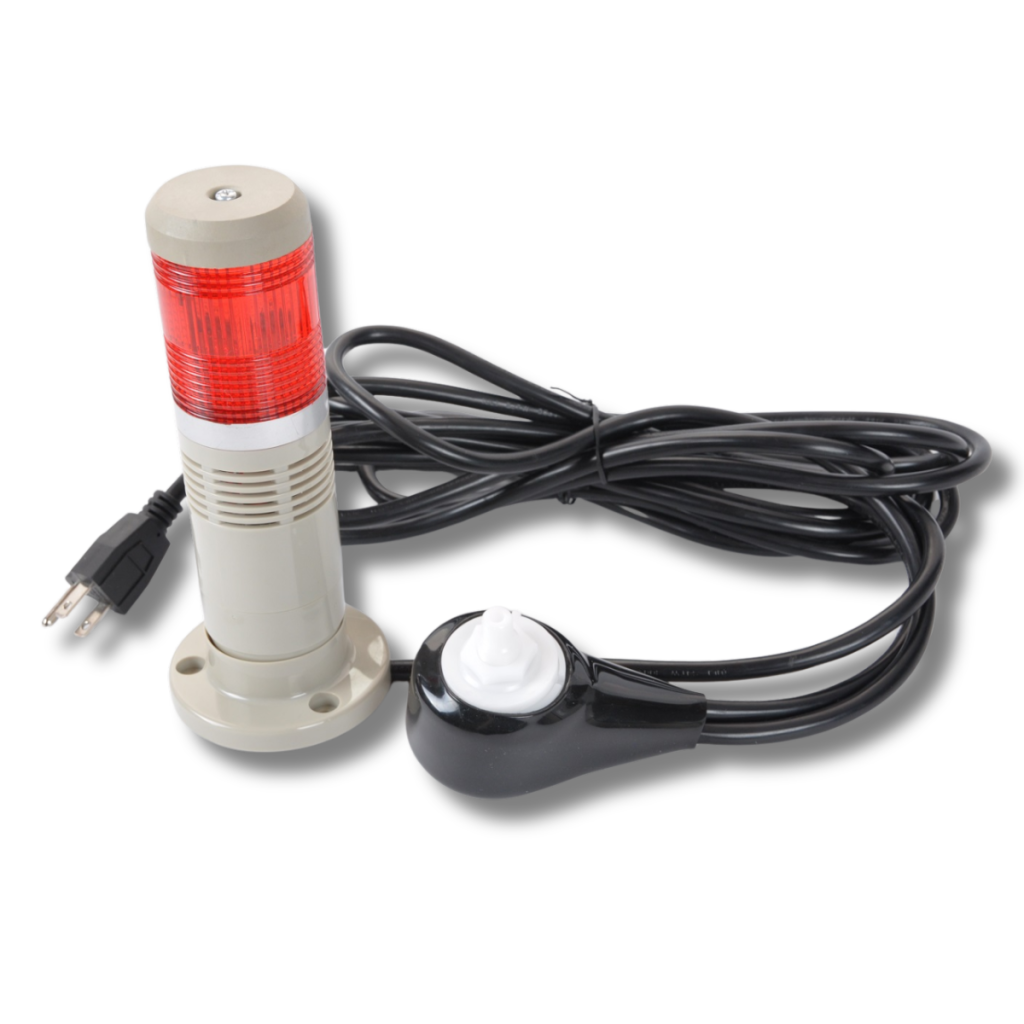
Presair Pressure Monitors combine pressure sensing with a clear notification system. The product is designed to alert qualified personnel when pressure rises too high or falls too low.
Several monitoring configurations are available to accommodate different system requirements.
Airline Monitor
The Airline Monitor is designed for monitoring industrial line pressure. It can connect where a quick-connect port is available and provide notification when loss of line pressure begins to occur.
Basic Monitor
The Basic Monitor provides a straightforward way to determine whether pressure is present.
Its switches are factory preset between 1–65 PSI and include protective switch housings. If system pressure drops below or rises above the specified pressure, the light and alarm provide notification.
This configuration can be used when the required switching pressure is established before installation.
Adjustable Monitor
The Adjustable Monitor uses a field-adjustable pressure switch, allowing the switching point to be set by the user.
The pressure switch has a 1–125 PSI adjustment range and is enclosed in a protective switch boot. It can monitor a pressure rise or fall at a specific point.
Field adjustment provides flexibility when the required pressure threshold needs to be established or changed for the equipment.
Visual & Audible Pressure Alerts
A pressure monitor needs to make abnormal conditions noticeable to personnel. Presair Pressure Monitors use a flashing stack light designed to draw attention when the pressure switch reaches its configured setpoint.
An optional audible alarm can provide an additional notification method.
Together, these indicators allow qualified personnel to recognize a pressure change without continuously observing the monitoring point. Personnel can then inspect the equipment and address the condition before it contributes to significant downtime.
Monitoring Wastewater Pumps & Pipelines
Pressure monitors can be used at locations where changes in system pressure provide useful information about equipment operation.
Potential monitoring points include:
- Pump discharge lines
- Force mains
- Influent pipelines
- Treatment process piping
- Circulation lines
- Discharge pipelines
- Other pressurized sections of wastewater equipment
The appropriate monitoring location and pressure setting depend on what operators need to detect.
For example, one monitoring point may require notification when pressure begins to fall. Another may need an alert when pressure rises above a specified level. The monitor and switch configuration should match the operating requirements at that location.
Monitoring Water Level with a Diaphragm Pressure Switch
Pressure sensing can also monitor rising water levels in sump and tank applications.
As the water level rises, air pressure increases through the sensing tube. This increasing air pressure acts on the diaphragm inside the pressure switch.
Once the pressure reaches the configured setpoint, the switch changes electrical state and can activate the stack light. This gives personnel a visible indication that the specified water level has been reached.
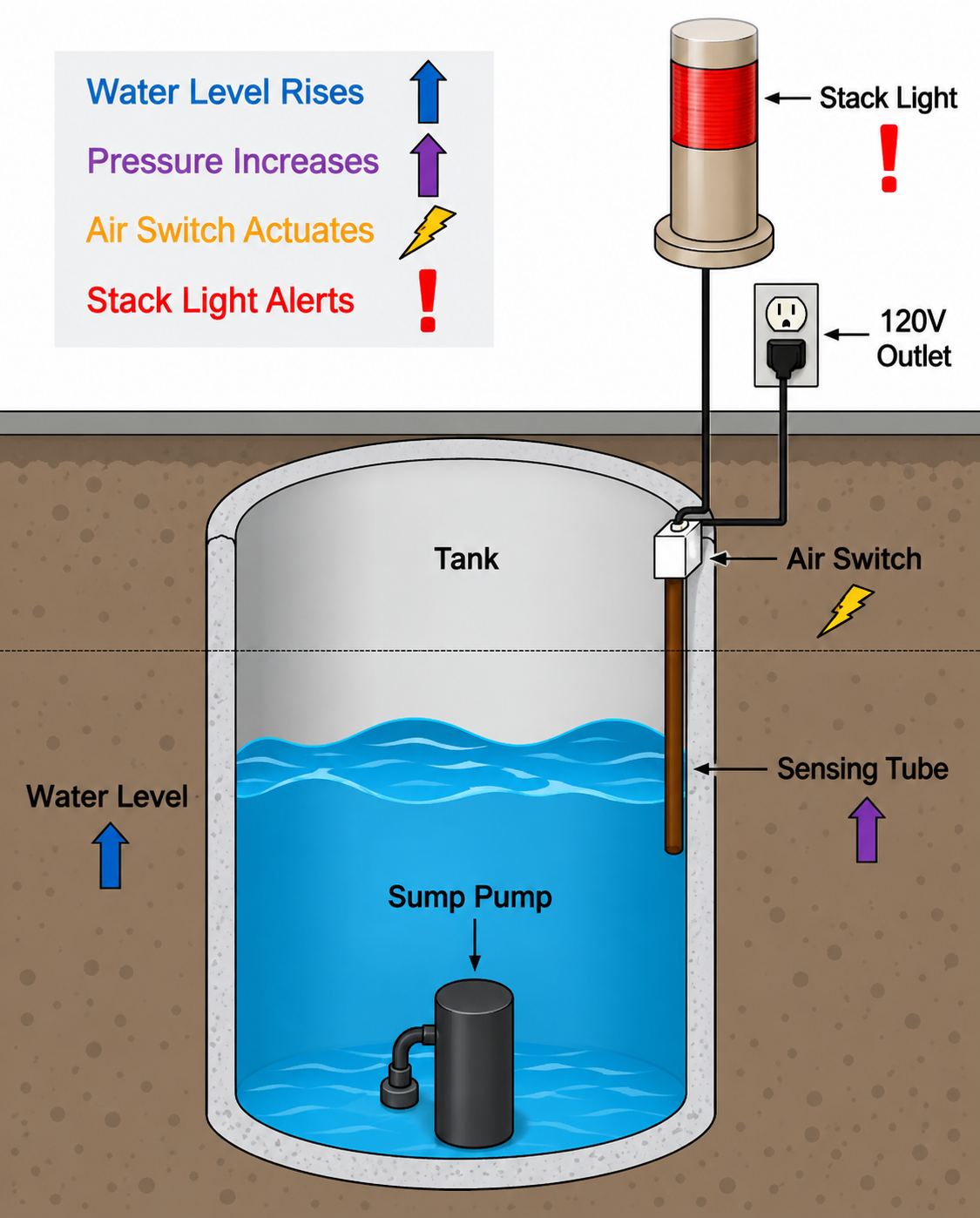
As the water level rises, air pressure increases through the sensing tube until the pressure switch reaches its setpoint and activates the stack light.
This method allows the sensing tube to detect the change in water level while the pressure switch and electrical notification components remain outside the tank.
Depending on the equipment design, pressure switching can also be used to initiate a pump when the specified water level is reached.
Field-Adjustable vs. Factory-Preset Pressure Monitoring
Presair offers both adjustable and preset options, allowing the monitoring method to match the equipment requirements.
A factory-preset switch provides a defined switching point. The Basic Monitor uses switches factory preset between 1–65 PSI.
A field-adjustable switch allows the user to determine the switching point. The Adjustable Monitor provides a 1–125 PSI range, allowing the pressure threshold to be configured for the system.
Field-adjustable models can be useful when the appropriate setpoint needs to be determined during equipment setup or commissioning. Factory-preset switches provide an established switching point when the required pressure is already known.
 Presair Pressure Monitor Specifications
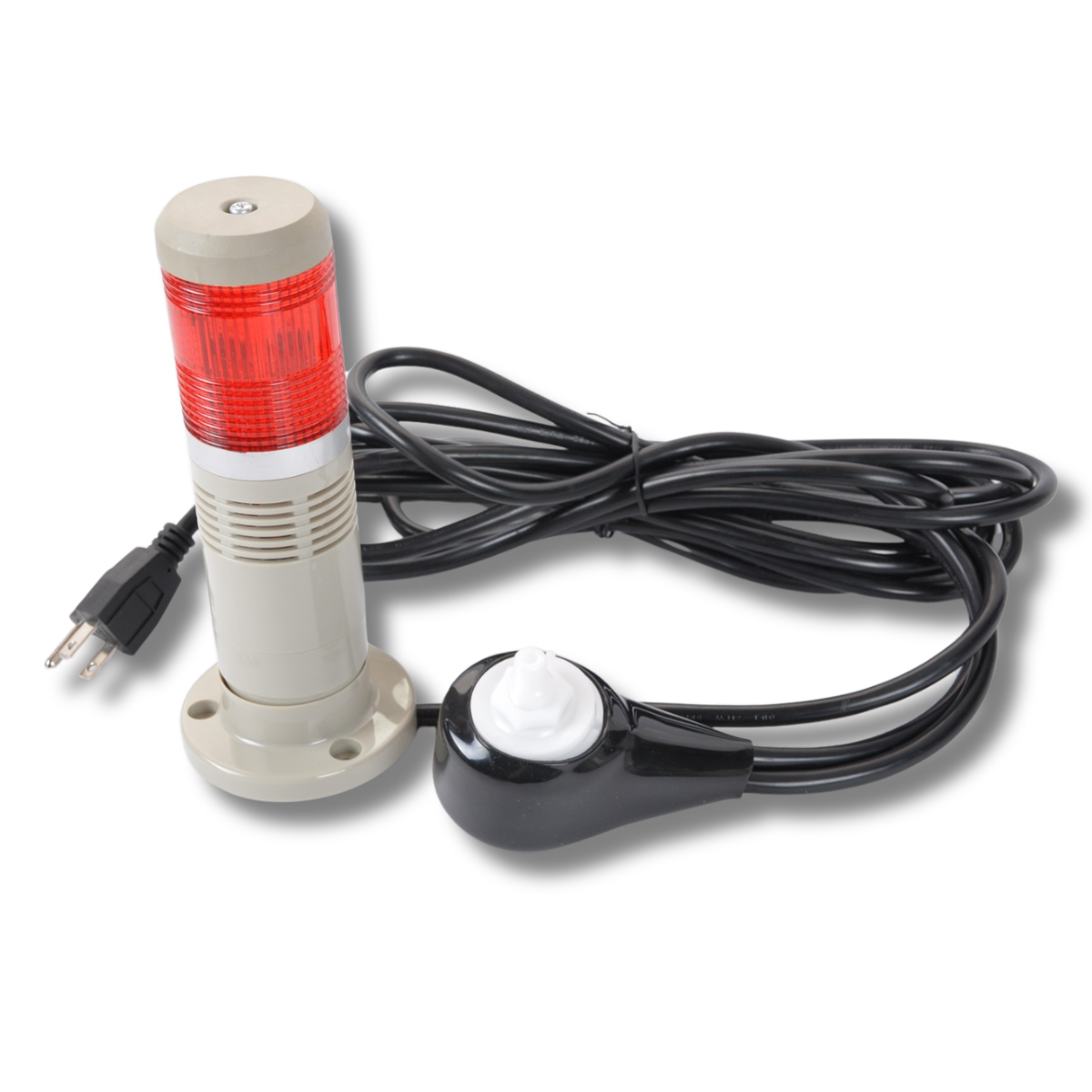
The pressure switches used in the Presair Pressure Monitor line include the following specifications:
- Current Rating: 1 HP @ 120 VAC
- Worldwide Approval: UL & CUL Recognized, File #E80254
- Material: Acetal body/acetal mechanism with silicone rubber diaphragm
- Operating Temperature: -22°F to 150°F
Other materials are available for applications with different requirements.
Presair also offers different styles and variations within the Pressure Monitor line. Housing versions are available for 1–65 PSI, while boot versions are available for 1–120 PSI. Light and alarm options are also available.
Selecting a Pressure Monitor for Wastewater Equipment
Selecting the appropriate monitor starts with determining the pressure condition that needs to trigger an alert.
Consider whether the application needs to detect a pressure rise or fall, the required setpoint & whether that setpoint should be established at the factory or adjusted in the field.
The notification method is another consideration. A flashing stack light provides visual indication, while the optional audible alarm adds another way to alert personnel.
Presair offers Basic, Adjustable & Airline Monitor configurations rather than a single option for every system. This allows the pressure sensing and notification setup to be selected according to the equipment requirements.
Pressure Monitoring for Wastewater Equipment
Wastewater pressure monitoring gives operators a straightforward way to identify when pressure reaches a specified high or low threshold. Presair Pressure Monitors combine a pressure switch with a flashing stack light and optional audible alarm to provide a clear external indication of the condition.
Factory-preset and field-adjustable configurations support different monitoring requirements. The Basic Monitor uses switches factory preset between 1–65 PSI, while the Adjustable Monitor provides a user-adjustable 1–125 PSI range. Other configurations are also available for different pressure monitoring requirements.
Need help selecting a Pressure Monitor for your wastewater equipment? Contact Presair to discuss your pressure range, notification requirements & application. We provide direct customer service & technical support.